Community seed banks
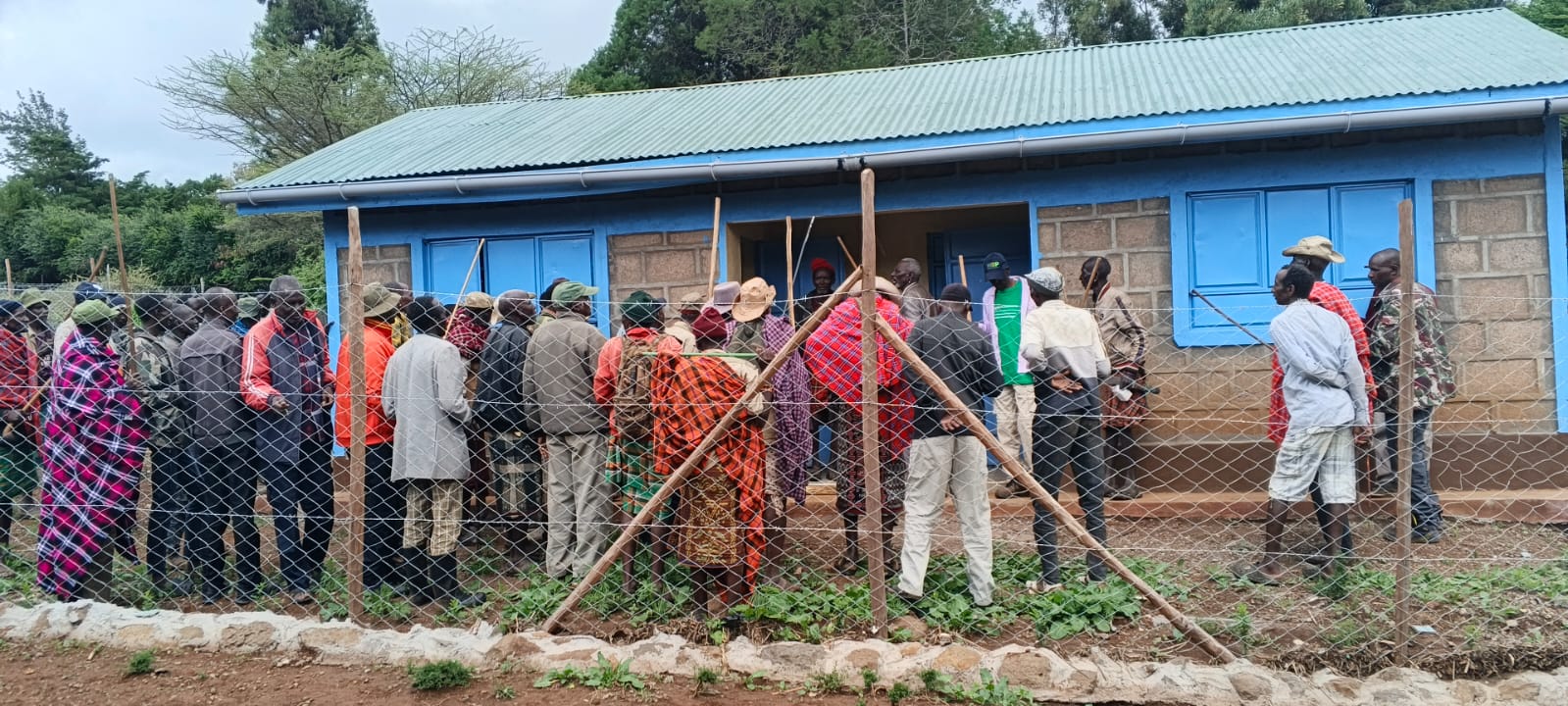
Elders identify mother trees of Olea africana, Juniperus procera and Hagenia abyssinica; youth collect and store seed with traditional drying methods.
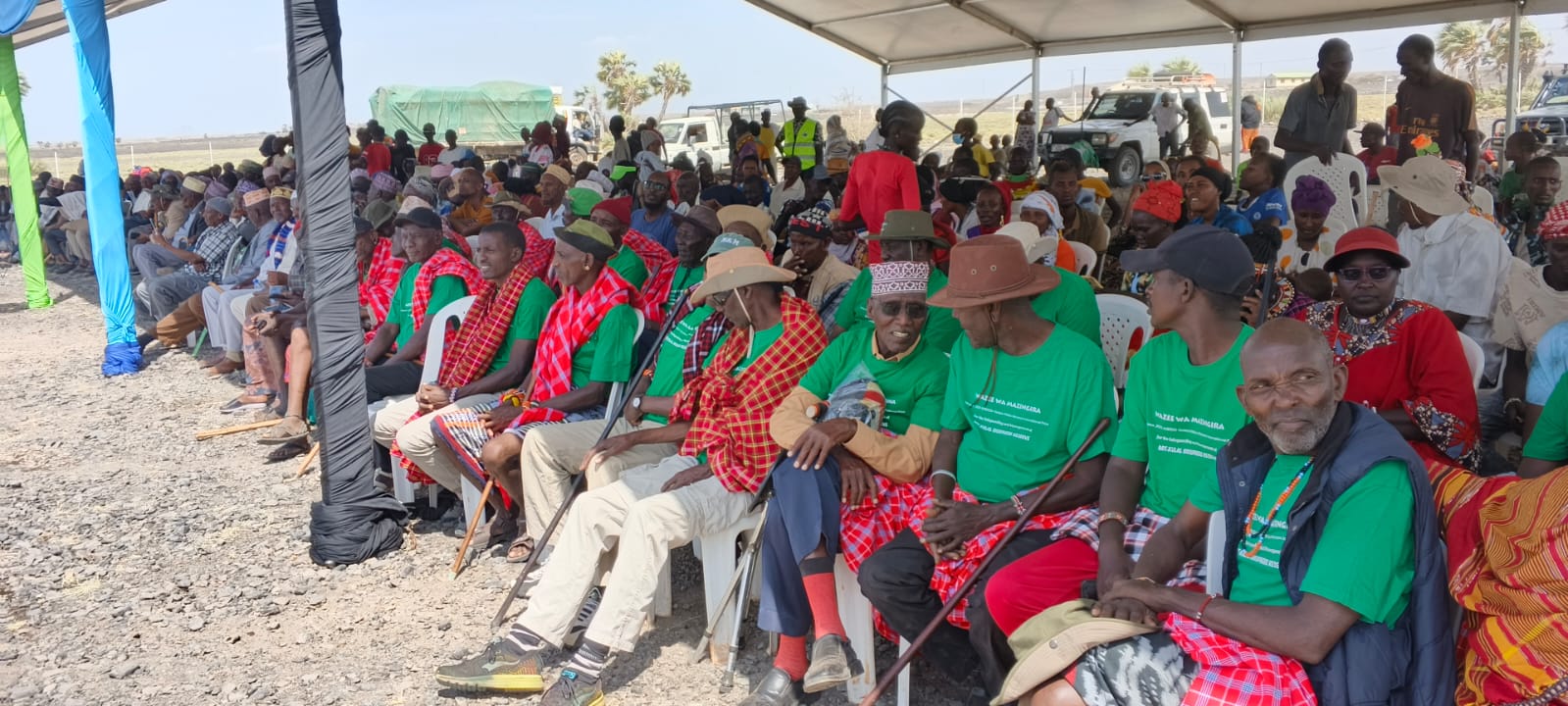
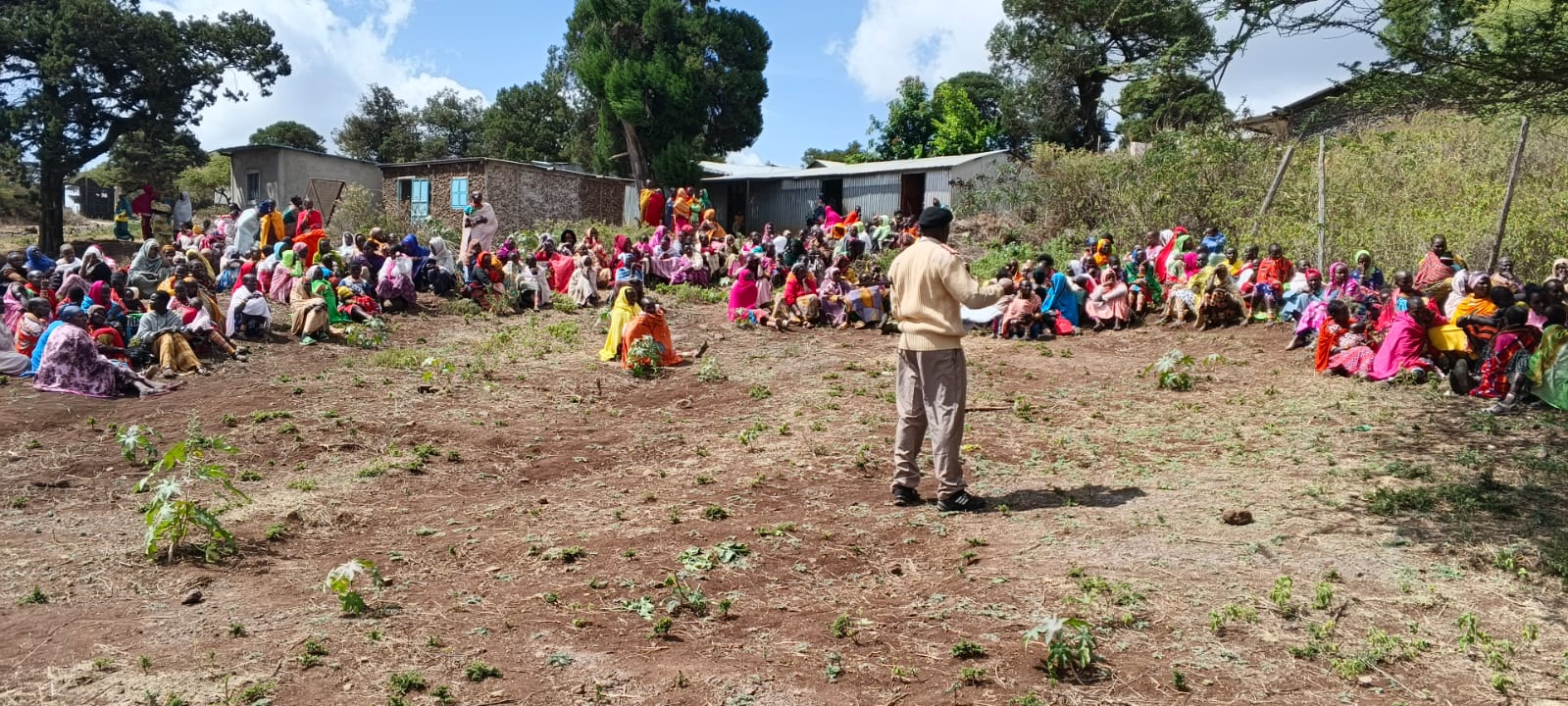
Restoring 50 hectares of degraded cloud forest with indigenous species nurtured by local women's groups.
Mount Kulal's cloud forest is an isolated island of moisture in one of Kenya's driest counties. It feeds the springs that sustain thousands of pastoralist households, yet decades of charcoal burning, fuelwood harvesting and prolonged drought have thinned its canopy along the lower slopes.
Conventional replanting projects failed here because seedlings were trucked in from lowland nurseries, poorly matched to altitude, and abandoned after the launch ceremony. What Kulal needed was not more seedlings, but local ownership of the entire chain: seed collection, nursery, planting and aftercare.
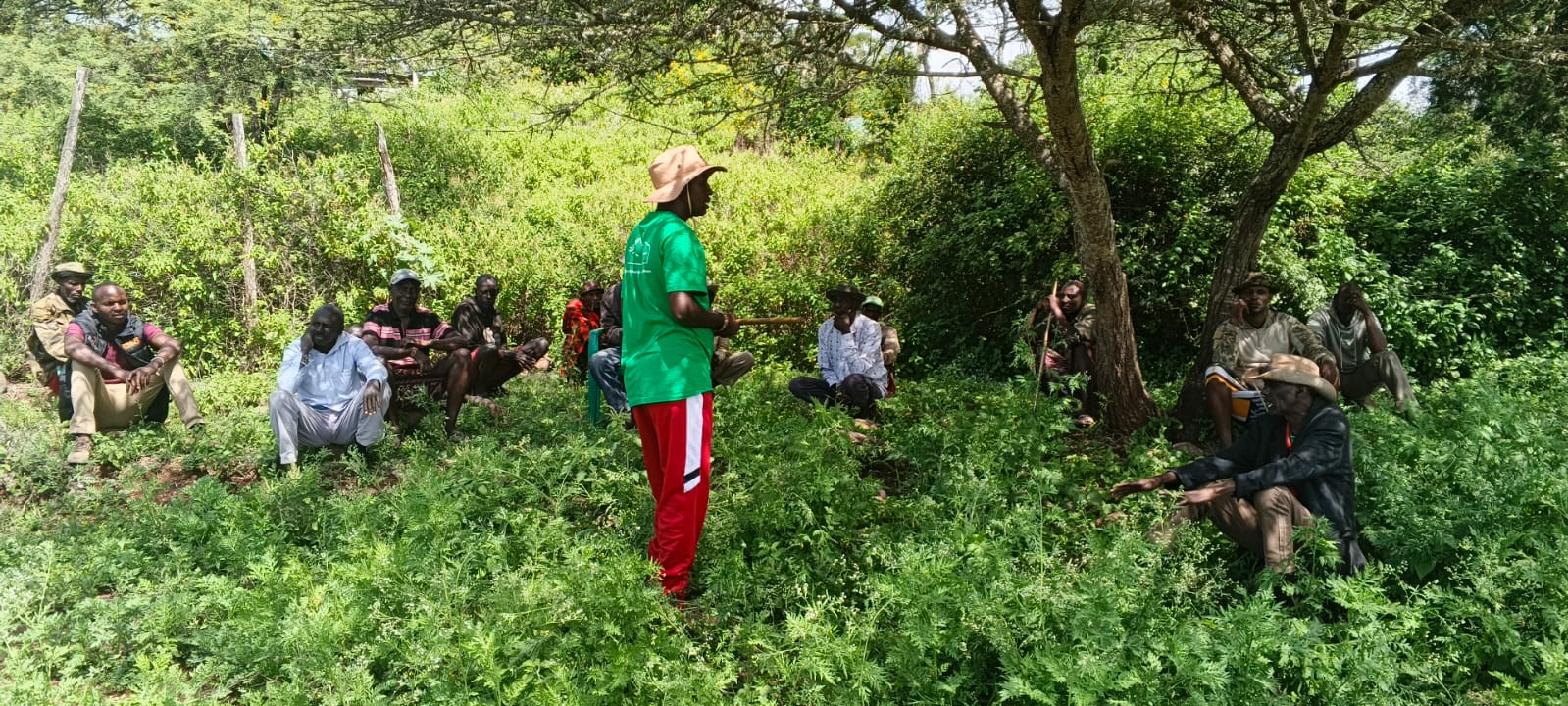
Elders identify mother trees of Olea africana, Juniperus procera and Hagenia abyssinica; youth collect and store seed with traditional drying methods.
Women's groups in Gatab, Arapal and Larachi run the nurseries, earning income per surviving seedling rather than per seedling delivered.
Planting is timed to the short and long rains, with basins dug ahead of the first storms to trap runoff.
Each planting block is assigned to a household that waters, mulches and protects it through the first dry season.
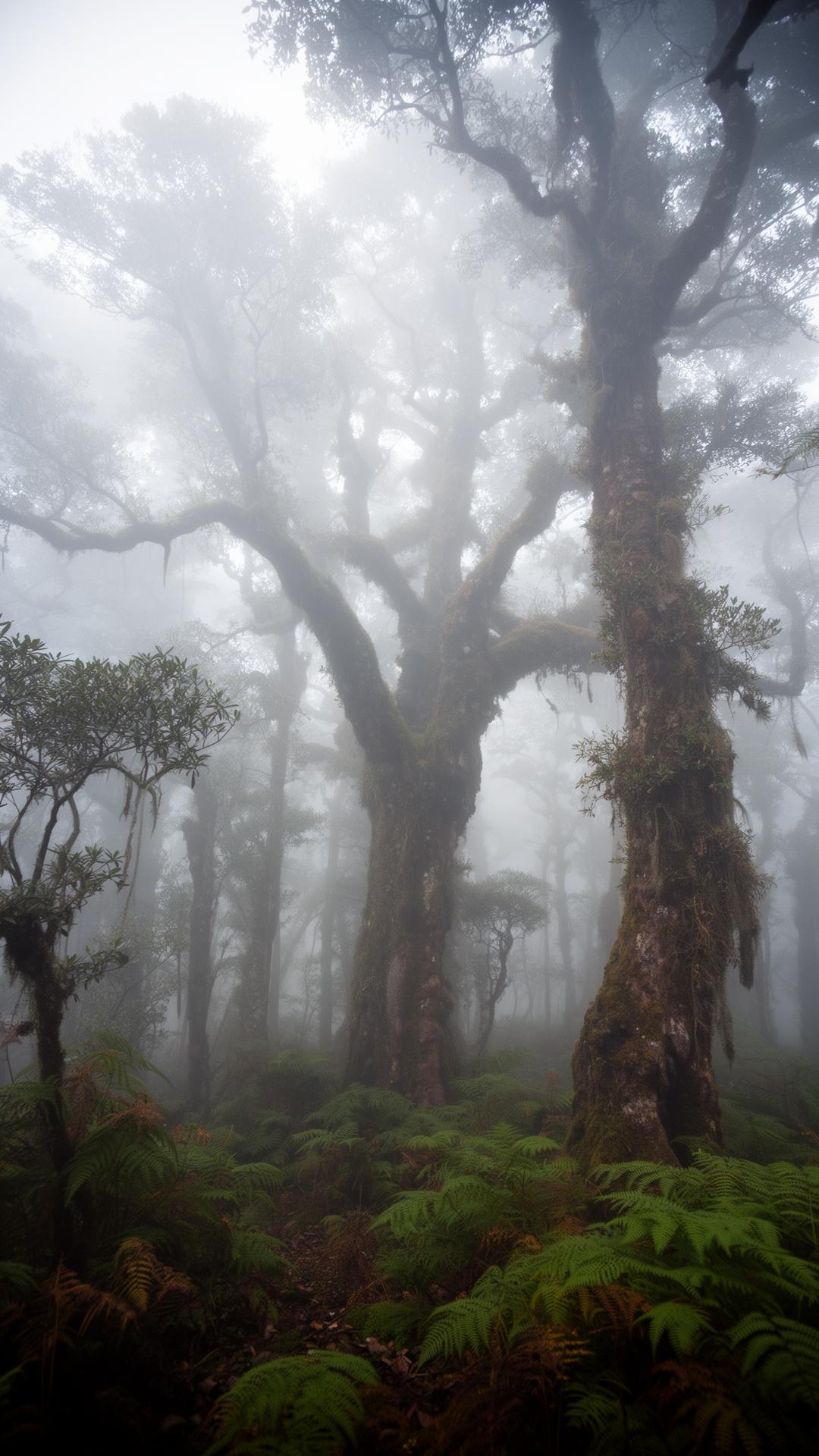
“We used to plant trees for visitors to photograph. Now we plant them for our grandchildren to sit under, and we are paid for the ones that live.”
Eight-page overview of methodology, budget and outcomes.
Per-block planting records and annual survival counts.
Requesting a document? Write to us via the contact page and we will send it directly.