Mount Kulal

Conservation that is lived, not lectured.

Fifty years of work on one mountain, measured in trees that survived, springs that returned and children who stayed to protect them.

0k+
Indigenous trees planted
0
Villages engaged
0+
Youth mobilised
0+
Years on the ground

How the work is organised

Forest Protection

Patrolling, restoring and defending the indigenous cloud forest of Mount Kulal against deforestation and degradation.

Biodiversity Conservation

Safeguarding rare species, endemic flora and migratory wildlife corridors across the Kulal ecosystem.

Community Awareness

Convening barazas, radio dialogues and village forums that put conservation in the hands of local people.

Environmental Education

Training the next generation of stewards through school clubs, youth fellowships and field mentorship.

Sustainable Livelihoods

Beekeeping, agroforestry and dryland farming that turn conservation into dignified household income.

Water & Catchments

Protecting springs, rehabilitating water pans and restoring the catchment systems that sustain pastoralist life.

Where we stand against our 2028 targets

We publish progress openly, including the targets we are behind on. Accountability to the villages of Kulal comes before accountability to anyone else.

50 hectares under restoration

78%

39 ha actively restored

16 trained community rangers

100%

Target reached in 2025

20 schools with green clubs

70%

14 of 20 schools active

12 springs protected by 2028

42%

5 springs rehabilitated

An interactive history of the mountain

UNESCO-Greece Melina Mercouri Prize
2025

UNESCO-Greece Melina Mercouri Prize

The organisation receives the international prize for the safeguarding and management of cultural landscapes, recognising fifty years of community stewardship.

The Kulal massif, village by village

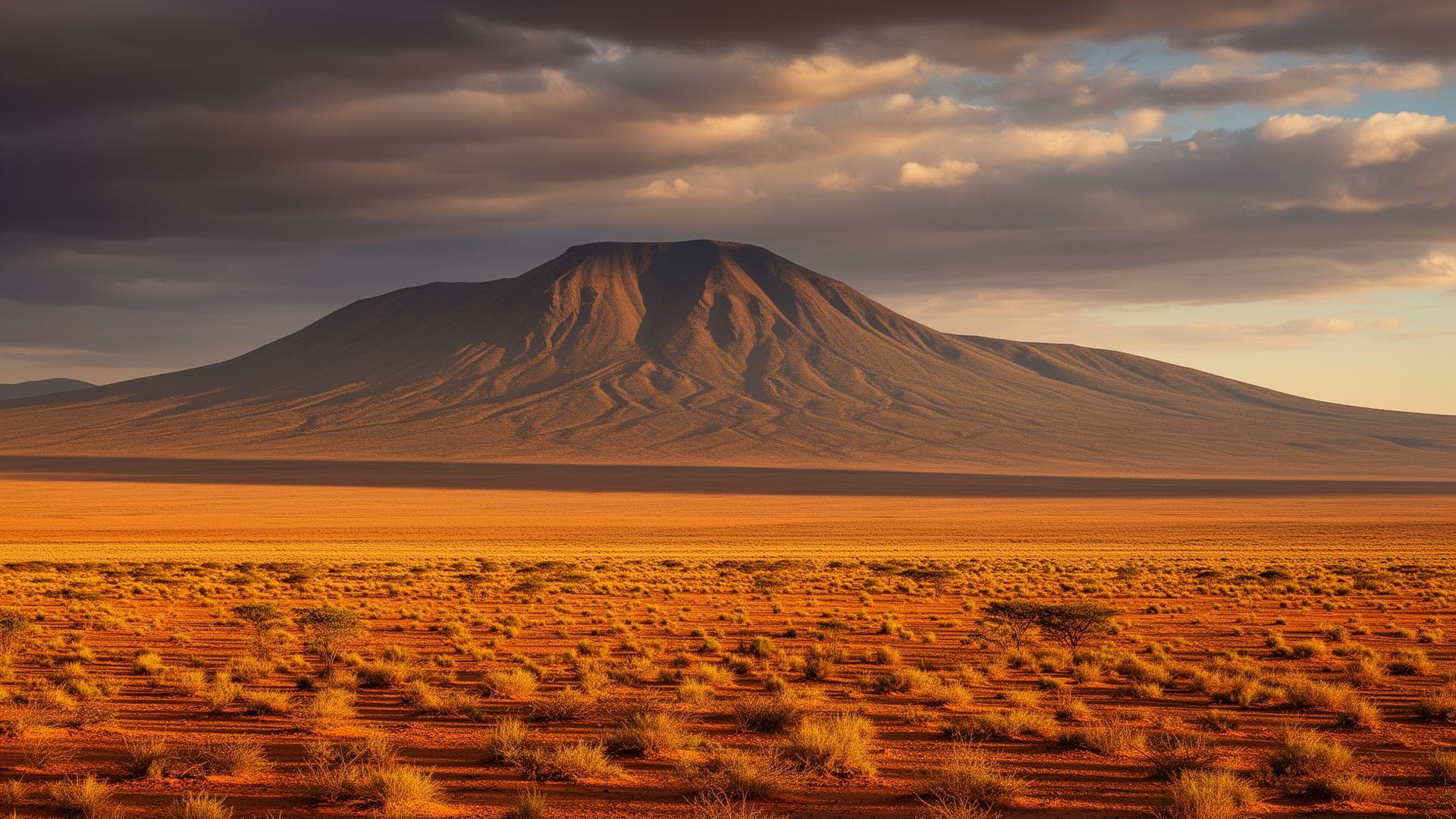
Mount Kulal terrain
Arapal
Gatab
Nkororoi
Larachi
Lolkujita
Altitude range
600 m - 2,285 m
Reserve status
UNESCO Biosphere Reserve since 1974
Wards covered
Loiyangalani, Gatab & Kargi
Guard stations
9 village-nominated forest guards

Change you can stand in

The spring that came backArapal

The spring that came back

After four seasons of basin digging and canopy restoration above the catchment, a seasonal spring at Arapal now flows six weeks longer each year. Households that walked eleven kilometres for water in the dry season now walk three.

+6 weeks of flow
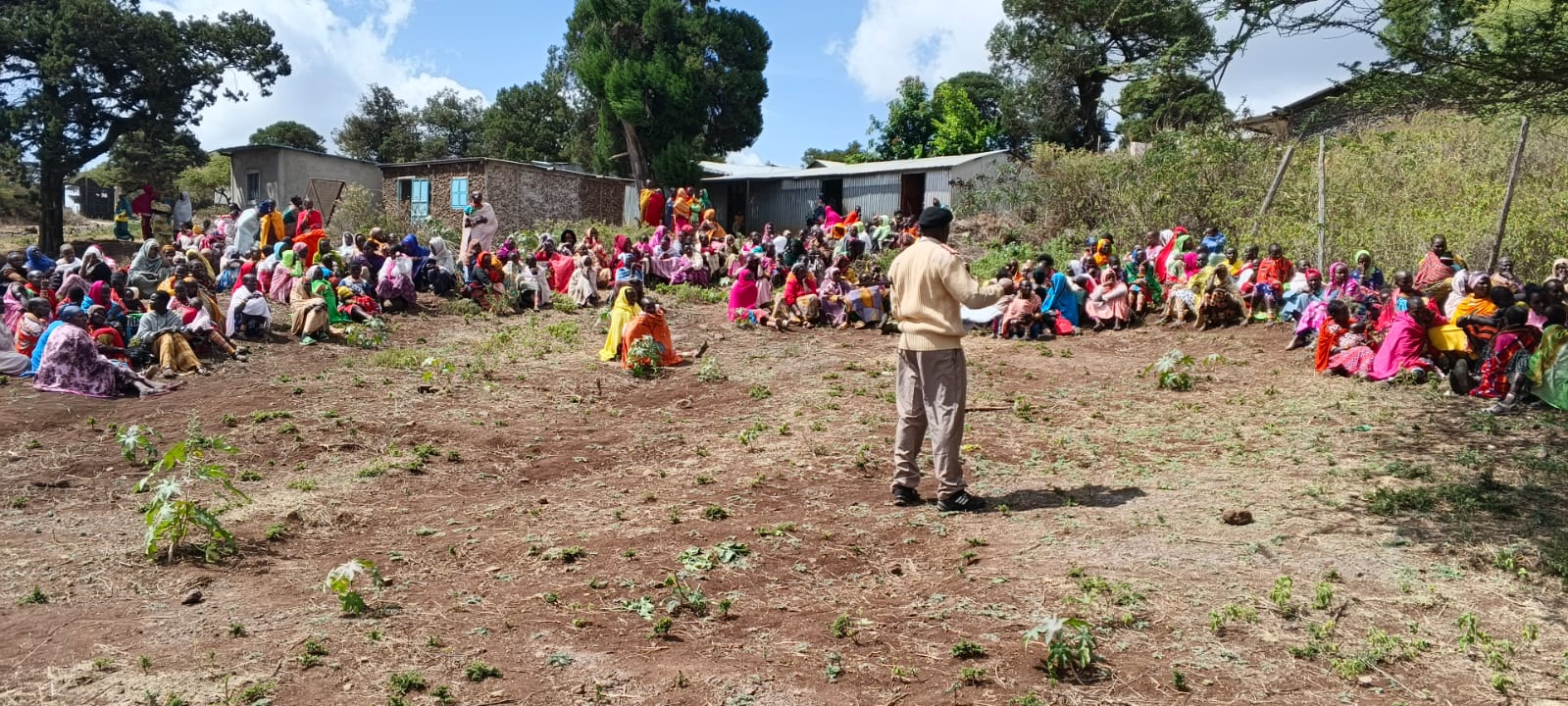
From notebooks to a mandateGatab

From notebooks to a mandate

Two decades of handwritten minutes were digitised at the new Gatab office. Customary grazing rules recorded by elders are now written into the mountain's official grazing management plan.

20 years archived
Club members became guardsLoiyangalani

Club members became guards

Several of the first school club members have returned as forest guards and nursery supervisors, closing the loop between environmental education and paid conservation work on the mountain.

3,200+ learners