
Samburu
Pastoralists whose grazing calendars keep the highland pastures in rotation.

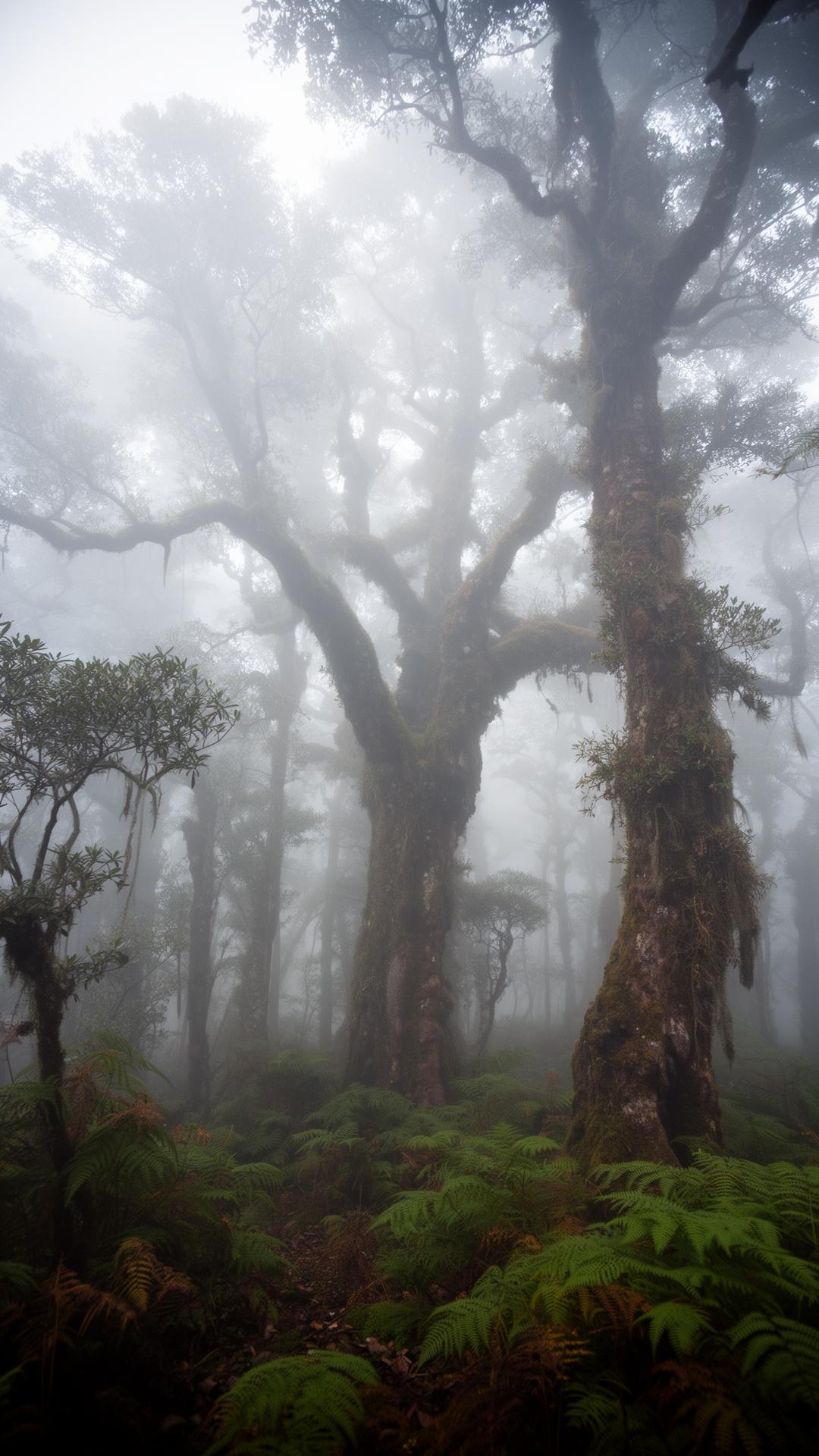
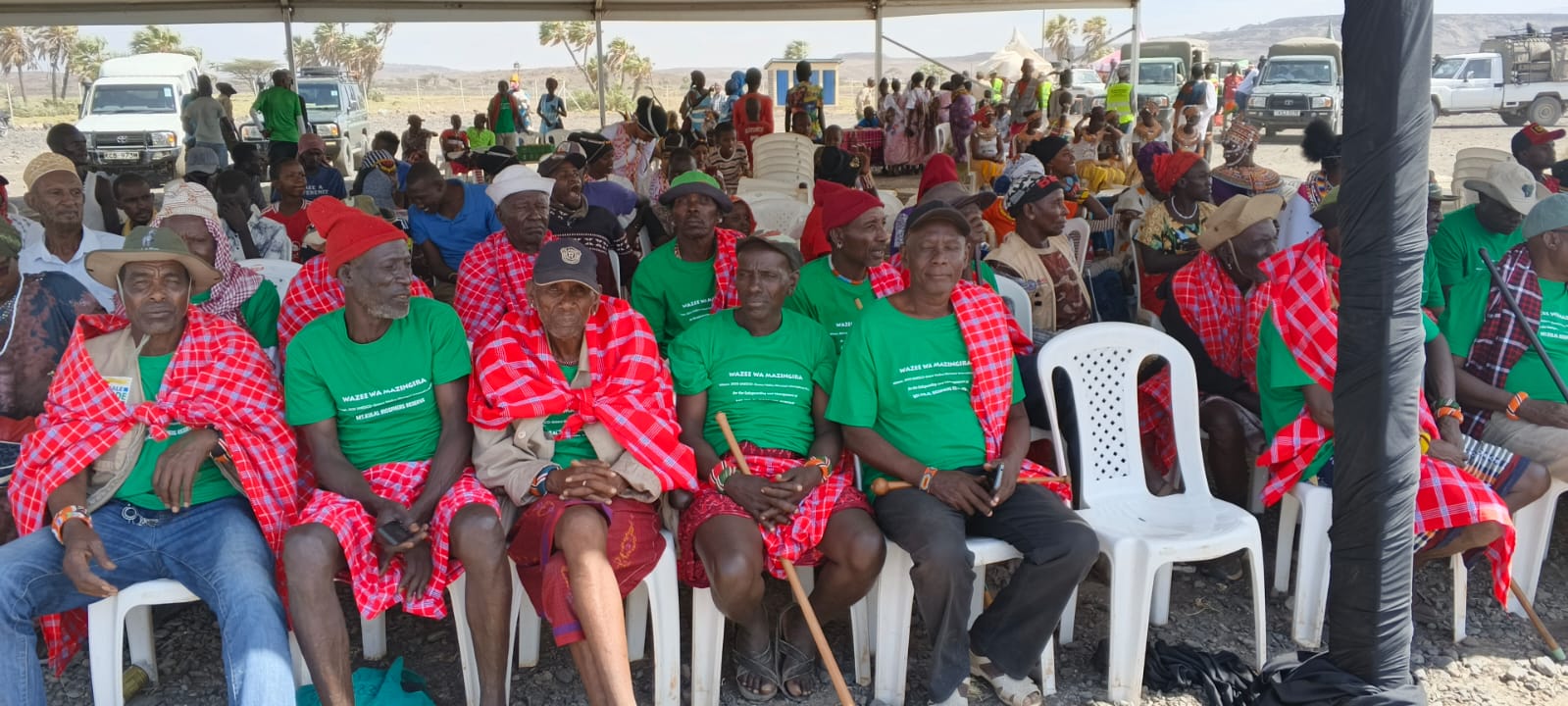
For over fifty years, Wazee wa Mazingira, the Elders of the Environment, have guarded the cloud forest of Mount Kulal: its springs, its wildlife, and the pastoralist cultures that have read this landscape for generations. This is their story.
In 1971, a group of elders from the slopes of Mount Kulal watched the springs run thinner each dry season. They had no funding, no office and no title deeds, only an inherited certainty that the forest above them was the reason their families, herds and neighbours could live in one of the harshest landscapes on earth.
They began walking the ridgelines, mapping cut stumps, agreeing grazing seasons and teaching children the names of trees. Half a century later that same practice, patient, local, rooted in indigenous knowledge, has become an internationally recognised model of community-led conservation.
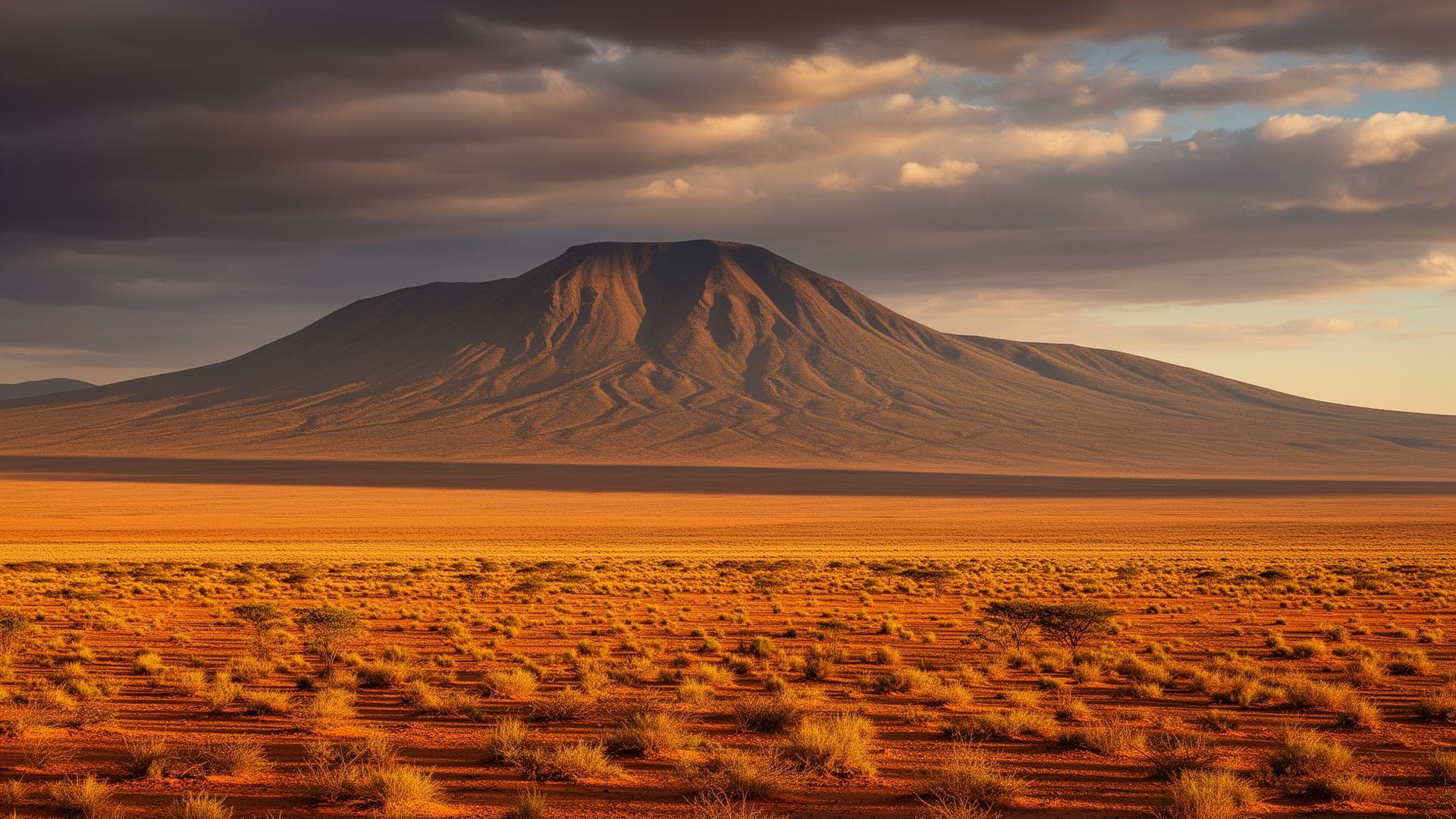
Rising 2,335 metres from the Chalbi desert, Mount Kulal is an ecological island. Its montane cloud forest combs moisture from passing mist and releases it into springs that never stop, water that reaches pastoralist families far out on the plains. Lose the canopy, and the springs go with it.
Conservation here is not a project imposed on a landscape. It is a negotiation between neighbours who have shared water, pasture and ceremony for centuries.
Pastoralists whose grazing calendars keep the highland pastures in rotation.
Camel herders of the lowlands, custodians of dry-season water etiquette.
Desert navigators whose oral maps record every spring and shade tree.
Fishers and herders bridging Lake Turkana and the mountain slopes.
Kenya's smallest Indigenous community, guardians of the lake shoreline.
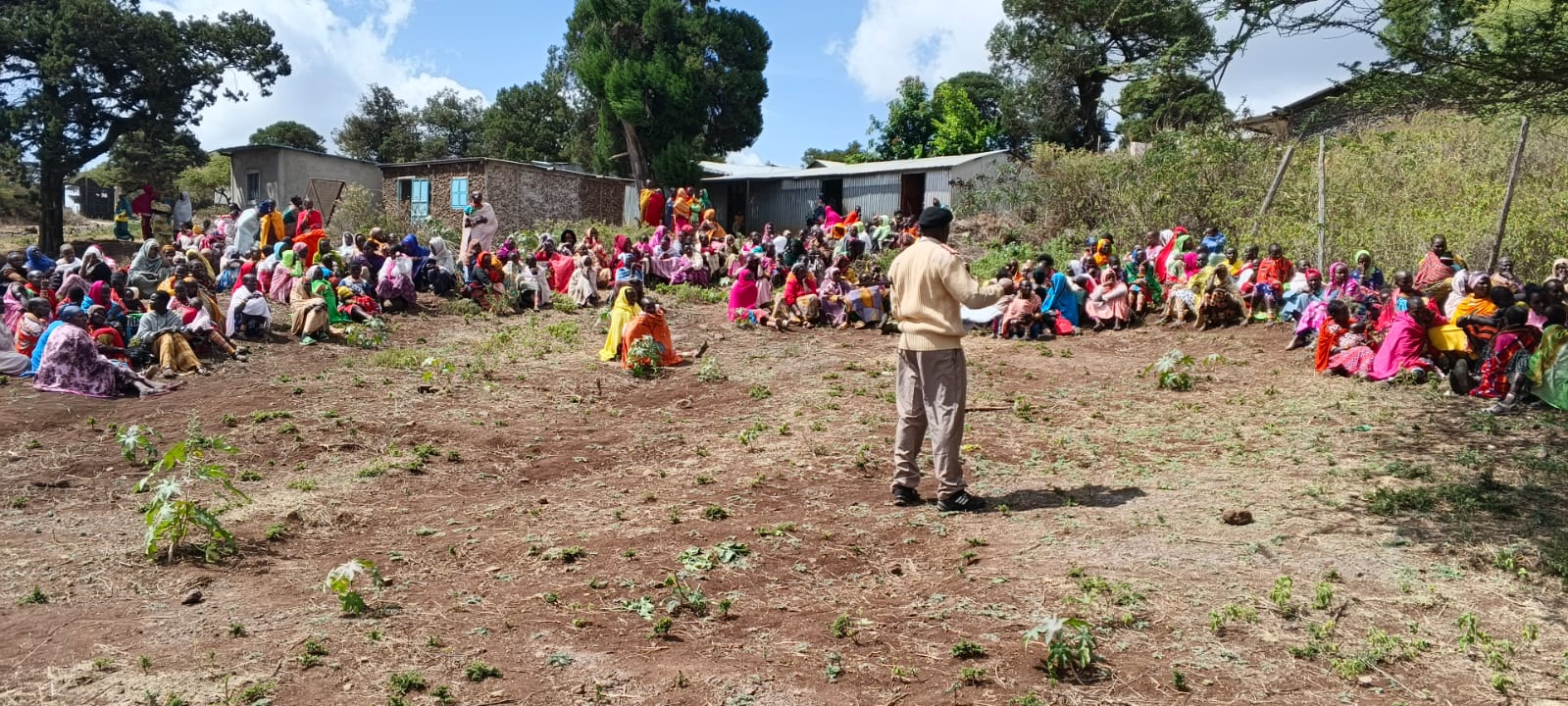
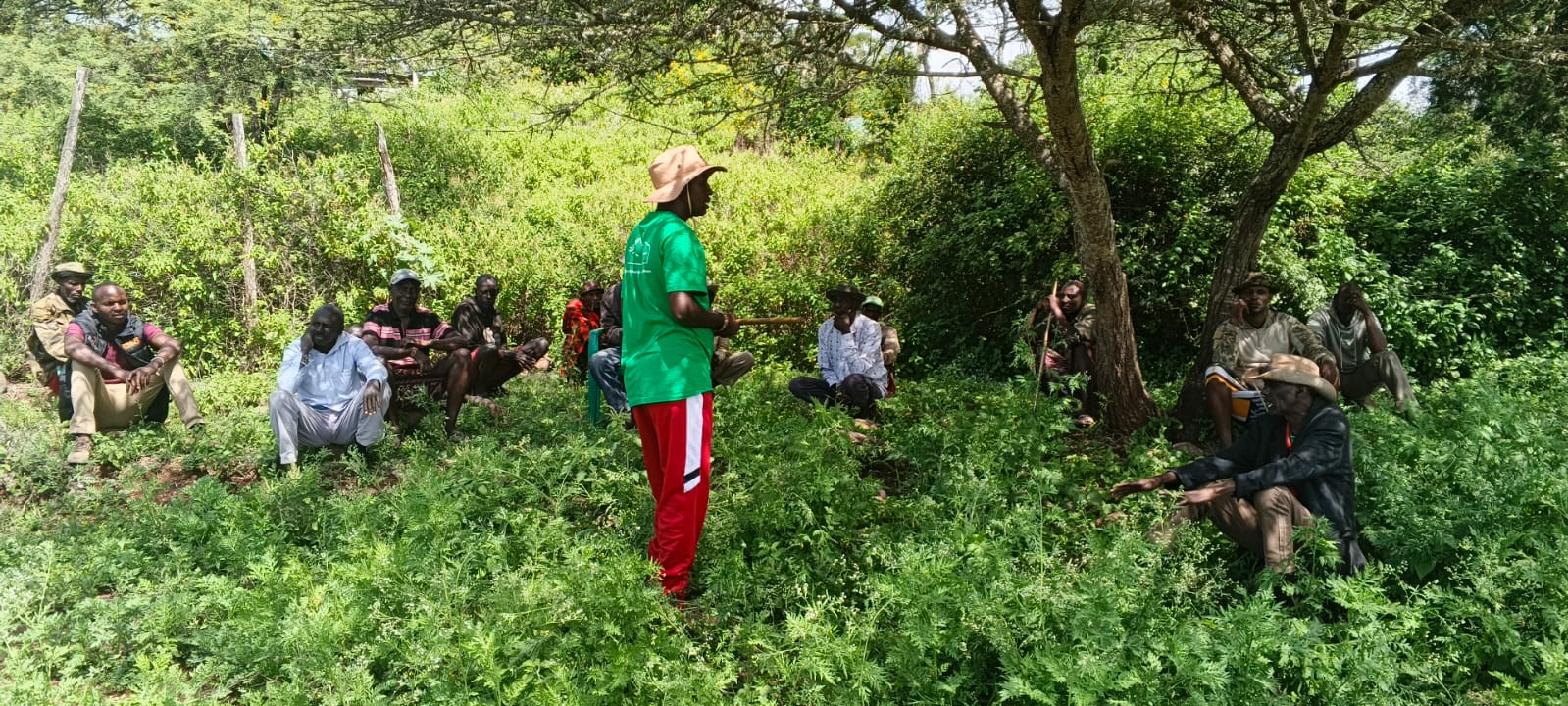
Every plan begins in a village meeting.
Protecting Kulal's biodiversity is not sentiment. It is the most practical form of drought insurance northern Kenya has.
Cloud-forest canopy harvests mist into perennial springs serving thousands of households.
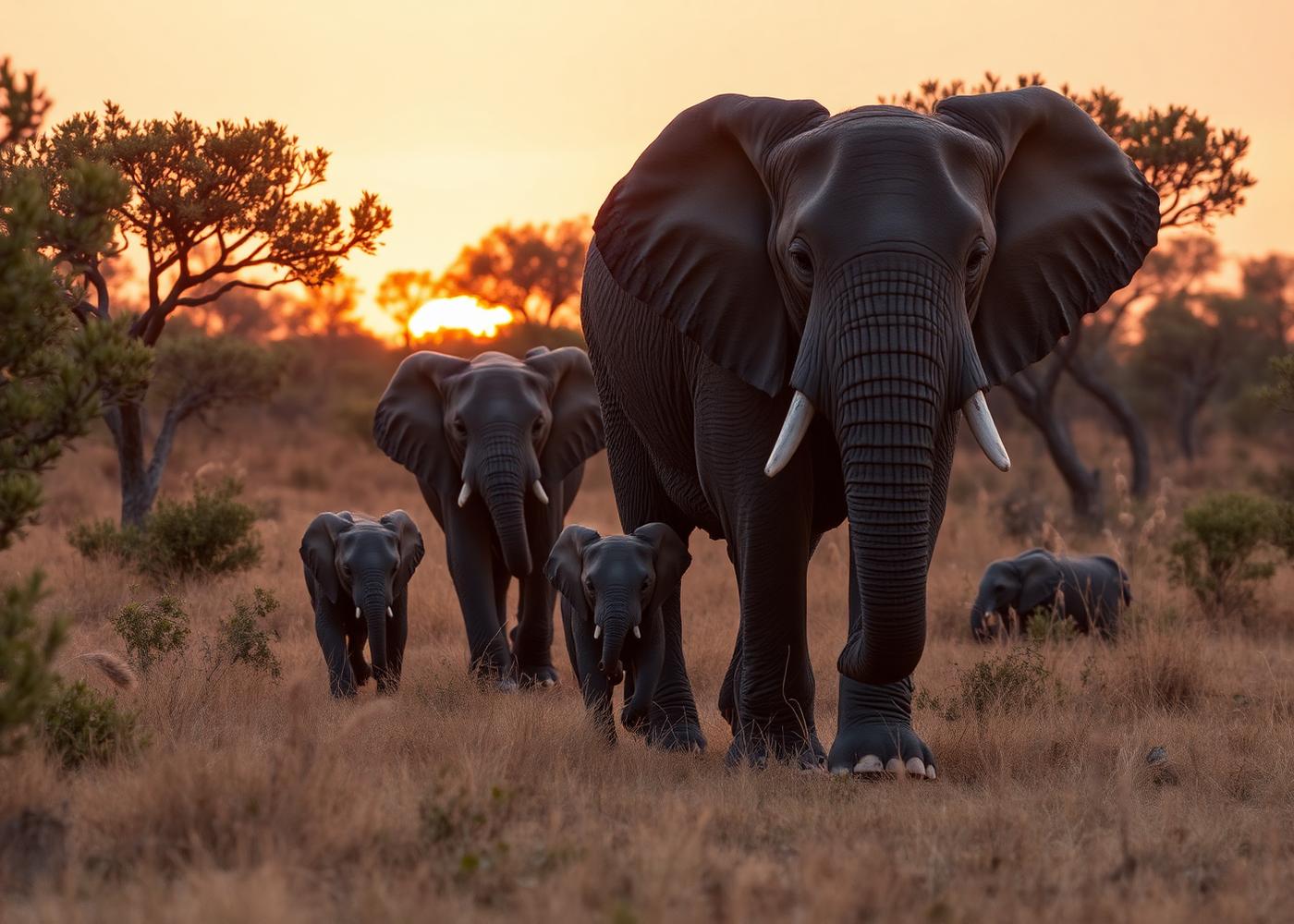
Endemic birds, reptiles and plants survive nowhere else on the planet.
Root systems hold volcanic soils that would otherwise gully into the desert.
Honey, herbs, pasture and tourism income all begin under the canopy.
Threats came slowly and then quickly: charcoal, drought, unmanaged grazing, a changing climate. So did the response, patrols, nurseries, schools, and a generation that chose to stay.
Community members begin voluntary forest patrols and seasonal grazing agreements.
Mount Kulal is designated a Biosphere Reserve, validating decades of local stewardship.
Charcoal burning, drought and settlement expansion push the forest edge upslope.
Community tree nurseries begin producing indigenous seedlings at scale.
Formal youth conservation programme launches, training scouts and nursery managers.
UNESCO-Greece Melina Mercouri International Prize honours the movement's cultural landscape work.

The UNESCO-Greece Melina Mercouri International Prize for the Safeguarding and Management of Cultural Landscapes recognises places where people and nature have shaped one another well. For Mount Kulal, it confirmed what the elders always argued: culture and conservation are the same work.
Indigenous seedlings planted
Villages in the conservation network
Youth trained as conservation scouts
Springs protected and restored
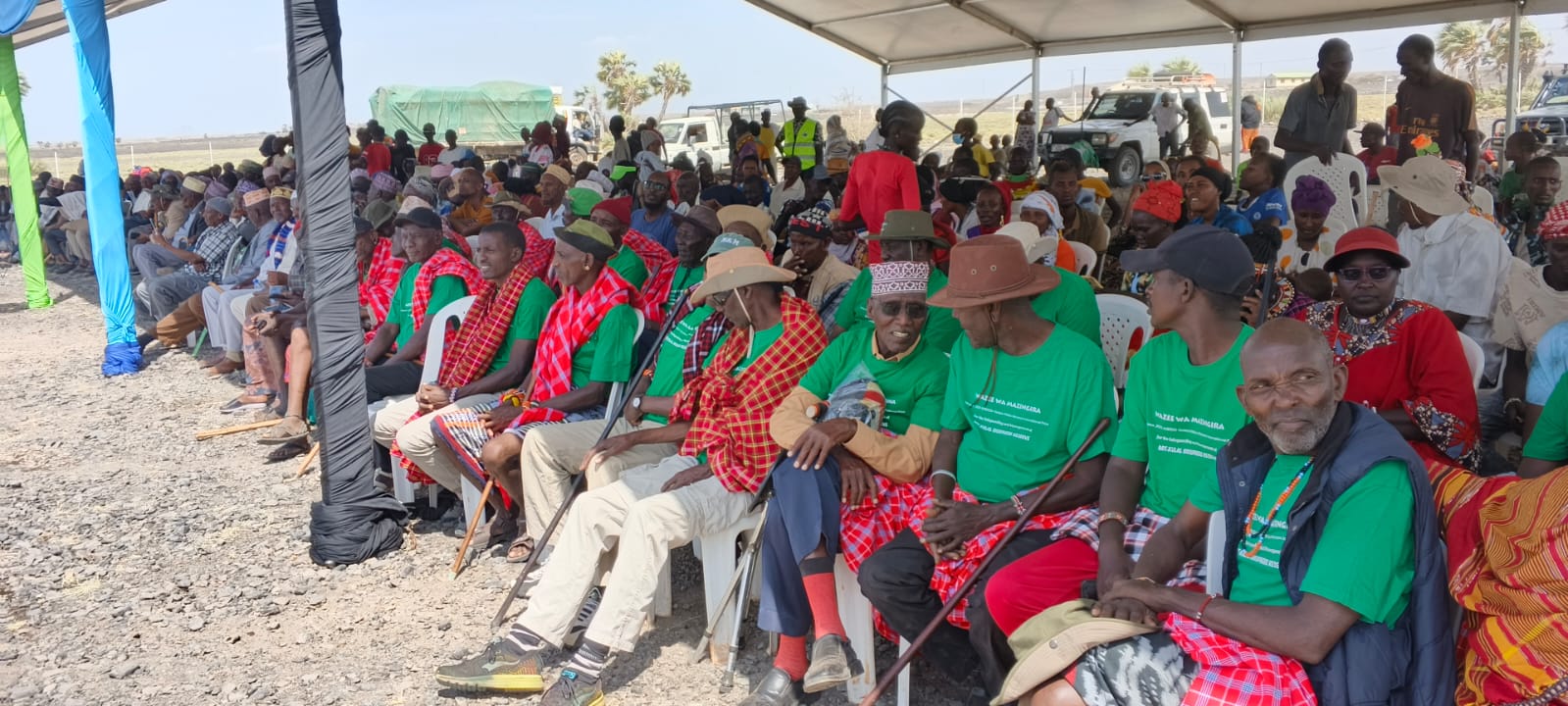
Young people on Kulal face a choice made in every dryland community: leave for the city, or find a future in the landscape that raised you. Our youth programme makes the second option real, nursery management, forest monitoring, beekeeping, eco-guiding, digital mapping and climate advocacy, taught alongside elders who carry the ecological memory of the mountain.
Every scout trained is a household that stays, a ridge that gets walked, and a tradition that survives one more generation.
“Through Wazee wa Mazingira I found a purpose. I now lead a youth group restoring our village water springs.”
Working alongside
KSh 5,000 raises 500 indigenous seedlings through a full season.
Equip a youth forest scout with boots, GPS and monthly stipend.
Back the community fire-response teams during the long dry months.